
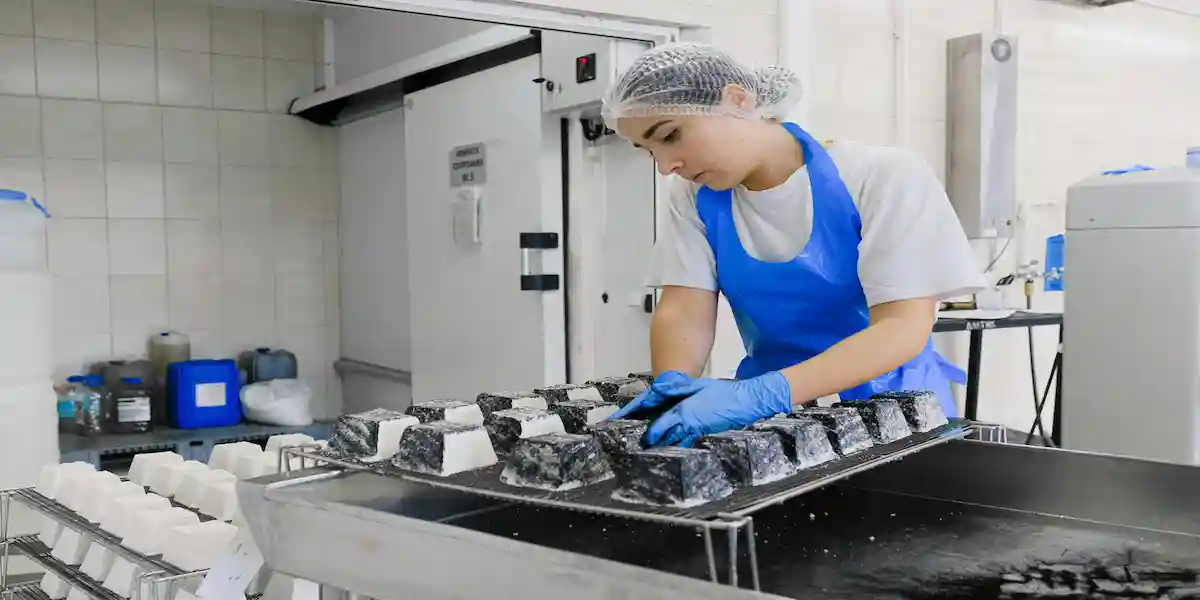
The Dairy Learning 2026 Training Programme is now accepting candidates nationwide. This accredited initiative supports skills development within the dairy and agricultural processing sector. Moreover, it aligns practical training with current industry standards. As a result, learners gain relevant experience and improved employability.
Overview of the Dairy Learning 2026 Training Programme
The Dairy Learning 2026 Training Programme offers structured education and workplace exposure. It combines theoretical instruction with supervised practical learning. Therefore, participants develop real operational competence. The programme prepares learners for entry-level and technical dairy roles.
Industry-Focused Training With Practical Experience
This programme focuses on industry-driven outcomes. Consequently, training content reflects real dairy workplace requirements. Learners receive guidance from experienced professionals. In addition, quality assurance specialists support skills transfer.
Key training areas include:
- Dairy processing and product handling
- Food safety and hygiene standards
- Quality control and compliance systems
- Equipment operation and routine maintenance
- Occupational health and safety procedures
These competencies match employer expectations. Hence, graduates transition smoothly into the workforce.
Application Dates and Important Deadlines
Applications for the Dairy Learning 2026 Training Programme are currently open. The official closing date is February 13, 2026. Therefore, early submission is strongly recommended. Late applications may not be reviewed.
This clear timeline ensures fairness. Additionally, it promotes equal access for all eligible candidates.
Why the Dairy Learning Programme Matters
The dairy industry remains vital to food security and economic growth. However, skills shortages continue to affect productivity. Therefore, targeted training initiatives are essential.
This programme supports the sector by:
- Expanding access to formal agricultural training
- Developing job-ready technical skills
- Improving operational standards through certification
For learners, the programme builds confidence and career direction. Meanwhile, employers benefit from a skilled talent pipeline.
Structured Learning Backed by Workplace Exposure
A defining feature of the programme is integrated workplace learning. Learners rotate through partner dairy facilities. Consequently, they gain hands-on operational experience.
Workplace exposure includes:
- Milk intake and processing procedures
- Equipment calibration and monitoring
- Sanitation planning and compliance checks
- Production scheduling in active environments
This approach strengthens practical understanding. Therefore, certificates are supported by real experience.
Who Should Apply for Dairy Learning 2026
The Dairy Learning 2026 Training Programme targets motivated individuals. Suitable applicants include:
- Recent matriculants seeking technical careers
- Youth interested in food production or agriculture
- Candidates aiming for dairy plant operations
- Career changers entering a stable sector
Applicants usually require Grade 12 or equivalent. In addition, interest in dairy production is essential.
How to Prepare a Strong Application
A well-prepared application improves selection chances. Therefore, candidates should follow all guidelines carefully.
Required Supporting Documents
Applicants should prepare:
- Certified South African ID copy
- Matric certificate or equivalent qualification
- Academic transcripts, if available
- Updated CV with contact details
- Reference letters, where applicable
Accurate documentation speeds up processing. Consequently, applications receive timely review.
Showcase Motivation and Career Goals
Applicants should clearly explain their interest. For example, they can mention farm exposure or volunteering. Additionally, they should outline future career goals in dairy operations.
These details help assess commitment. As a result, motivated candidates stand out.
Demonstrate Professionalism and Commitment
Training providers value reliability and discipline. Therefore, applicants should:
- Use clear, professional language
- Follow instructions precisely
- Submit applications before deadlines
Such actions reflect readiness for structured learning.
Graduate Outcomes and Career Opportunities
Successful learners receive recognized dairy operations certification. Moreover, they gain supervised workplace experience. Consequently, employability improves significantly.
Common graduate roles include:
- Quality control assistant
- Dairy production operator
- Hygiene and sanitation coordinator
- Junior process technician
These positions support long-term career growth. Furthermore, they open pathways to advanced training.
Participant Feedback and Industry Recognition
Past participants consistently highlight practical exposure benefits. They value real-world learning environments. Additionally, mentorship supports skills confidence.
Industry experts also endorse the programme. They emphasize the importance of blending theory and practice. Therefore, the programme maintains strong credibility.
Final Application Reminder
The application deadline remains February 13, 2026. Timely submission demonstrates professionalism. Therefore, candidates should apply early.
Late submissions may be excluded. Hence, careful planning is essential.
Conclusion
The Dairy Learning 2026 Training Programme delivers industry-aligned education with practical depth. It supports workforce readiness through structured training and placement. Moreover, it strengthens the dairy sector skills pipeline.
For individuals seeking sustainable careers in dairy production, this programme offers a reliable pathway. Submit a complete application before February 13, 2026.

Hope Johnson
Hope Johnson is the Founder and Lead Content Editor of SETAWeb, a South Africa–based digital platform focused on education, SETA programmes, learnerships, bursaries, internships, and career opportunities. She has extensive experience researching, verifying, and publishing accurate information sourced from official SETAs, government departments, universities, and public sector institutions. Contact: [email protected]