
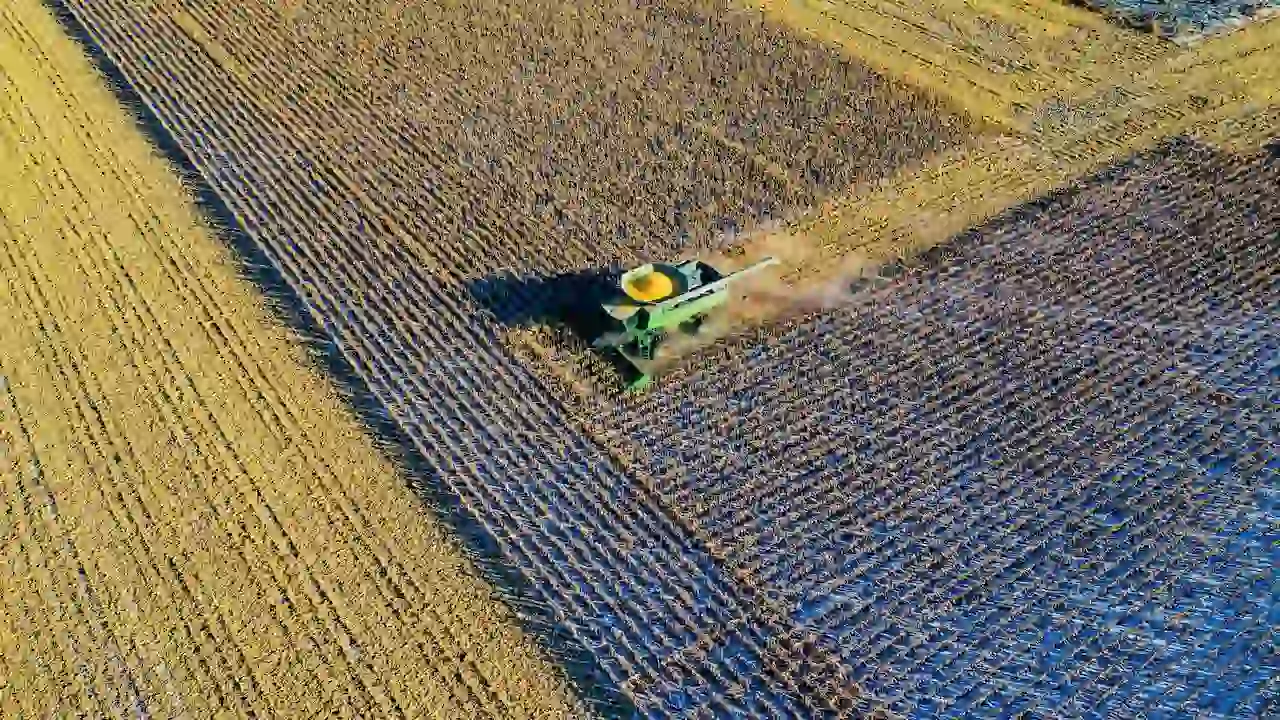
Agriculture is no longer just “farming”—it is a high-tech, multi-billion rand industry that serves as the backbone of the South African economy. In 2026, Agricultural Learnerships have emerged as the most strategic pathway for unemployed youth (aged 18–35) to transition from the classroom to a sustainable career.
These programmes are unique because they follow a dual-learning model: 30% theoretical classroom instruction and 70% supervised, practical on-farm training. This ensures that you graduate as a “job-ready” professional with an AgriSETA-accredited qualification.
2026 Agricultural Learnership: Fast Facts
The 70/30 Training Model
One of the primary reasons Google ranks agricultural learnerships as a top search for youth is the Work-Integrated Learning (WIL) structure. Unlike traditional degrees, a learnership values sweat equity and hands-on competency.
What You Will Master:
- Plant Production: Irrigation, soil health, and harvesting techniques.
- Animal Production: Livestock health, feed management, and breeding.
- Agri-Tech: Operating drones for crop monitoring and GPS-guided machinery.
- Agribusiness: Farm budgeting, supply chain logistics, and market pricing.
Financial Support: Earn While You Learn
In 2026, the cost of education is a major barrier. Agricultural learnerships remove this obstacle by offering:
- Monthly Stipends: Most AgriSETA-funded programmes provide between R2,500 and R5,800. This covers your transport, meals, and basic living expenses while you study.
- Fully Funded Tuition: Since learnerships are often funded by the government or private sector levies, there are usually zero tuition fees for the learner.
- Study Now, Pay Later (ISAs): Some private providers offer Income Share Agreements, where you only repay training costs once you secure a job earning above a certain threshold.
Specialization Options for 2026
As the industry modernizes, the demand for specialized skills has shifted. Applicants can now choose specific pathways that align with global export demands:
Precision Farming & Agri-Tech
Focuses on data analytics, drone technology, and smart irrigation systems. This is ideal for tech-savvy youth in urban and peri-urban areas.
Aquaculture & Fisheries
With the decline of wild fish stocks, fish farming (aquaculture) is a booming sector in South Africa, offering specialized roles in water quality and aquatic feed systems.
Horticulture & Greenhouse Management
Specializing in high-value exports like citrus, berries, and medicinal plants.
How to Apply for 2026 Intakes
Most agricultural learnerships are advertised through Provincial Departments of Agriculture, AgriSETA, or private commercial farms.
Step 1: Document Checklist
- Certified copy of your South African ID.
- Certified copy of your highest school grade (Grade 10–12).
- Proof of residence (Local residents are often prioritized for farm placements).
Step 2: Where to Look
- AgriSETA Portal: The central hub for all accredited agricultural training.
- Provincial Departments: Check the Western Cape, Limpopo, and KZN Department of Agriculture websites.
- Commercial Farm Groups: Keep an eye on companies like ZZ2, AFGRI, and BKB.
Frequently Asked Questions (FAQs)
1. Do I need previous farming experience to apply?
No. Most entry-level (NQF 1 and 2) learnerships are designed for beginners. The programme is intended to teach you these skills from scratch.
2. Are the qualifications recognized by other employers?
Yes. Because these are AgriSETA-accredited, your NQF certificate is a nationally recognized document that proves your competency to any employer in the sector.
3. Can I start my own farm after the learnership?
Absolutely. Many learnerships include a “Farm Management” or “Agribusiness” module specifically designed to help you understand the business side of agriculture and apply for government grants.
4. Is there an age limit?
While most funded programmes target youth (18–35) to combat unemployment, private self-funded programmes may accept older candidates.
5. How long does the training take?
The standard duration for a full NQF level is 12 months.

Hope Johnson
Hope Johnson is the Founder and Lead Content Editor of SETAWeb, a South Africa–based digital platform focused on education, SETA programmes, learnerships, bursaries, internships, and career opportunities. She has extensive experience researching, verifying, and publishing accurate information sourced from official SETAs, government departments, universities, and public sector institutions. Contact: [email protected]